Email newsletters and wellness reminders can be helpful
1. Experiences Create Emotional Connection
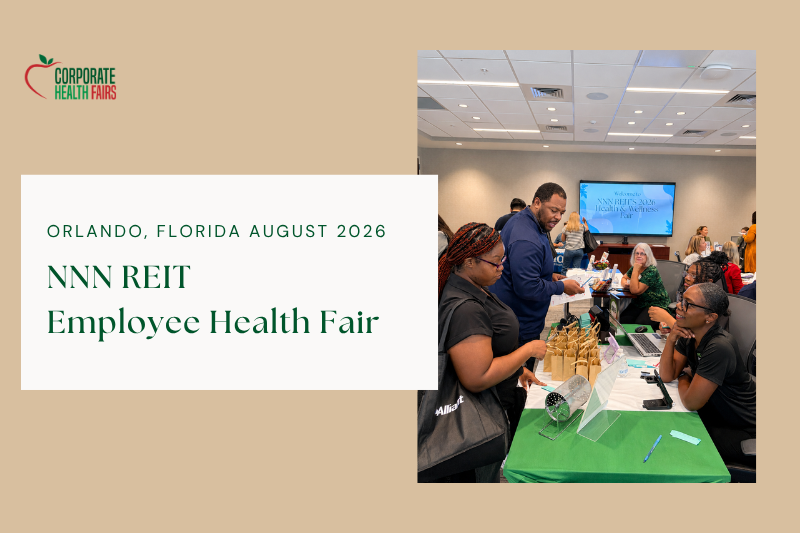
Wellness events engage employees on a human level. Whether it’s a health screening, fitness demo, or stress-relief activity, in-person experiences create moments employees remember.
Unlike emails that are skimmed and forgotten, wellness events:
- Encourage conversation and curiosity
- Allow employees to ask questions in real time
- Help wellness feel approachable rather than overwhelming
Emotional connection often becomes the catalyst for lasting change.
2. Hands-On Learning Improves Retention
People learn best by doing. Employee wellness events transform health information into practical, interactive learning opportunities.
Examples of experiential learning:
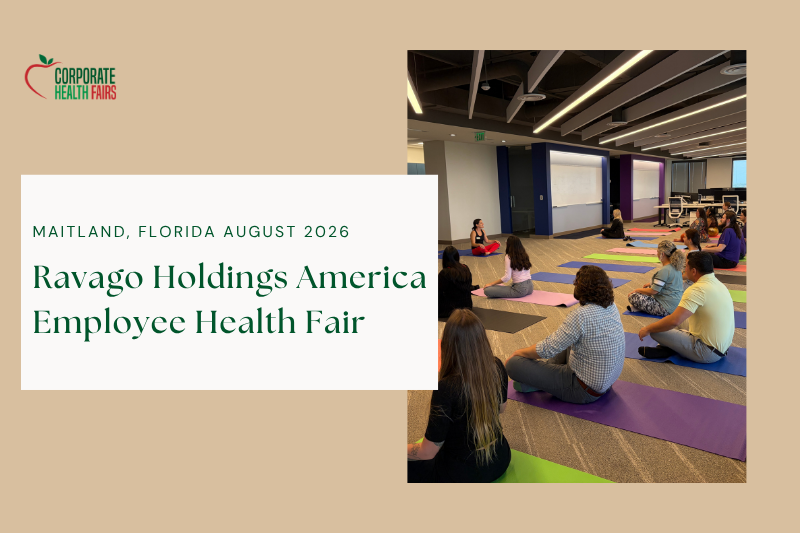
Trying a short meditation session instead of reading about stress management
Sampling healthy foods rather than reviewing nutrition tips
Receiving instant biometric feedback from screenings
These experiences turn abstract concepts into actionable knowledge employees can apply immediately.
3. Social Engagement Builds Motivation
Wellness events create shared experiences that foster connection among colleagues. This social element can significantly boost motivation and participation.
Why social interaction matters:
- Employees feel more comfortable trying something new with peers
- Group challenges and activities encourage friendly competition
- Conversations about wellness continue long after the event
When wellness becomes a shared workplace experience, engagement grows organically.
4. Visibility Signals Organizational Commitment
Hosting employee wellness events demonstrates that leadership prioritizes employee well-being in a tangible way. Seeing resources, vendors, and programming firsthand reinforces trust and credibility.
Employees are more likely to engage when they:
- Observe leadership participating
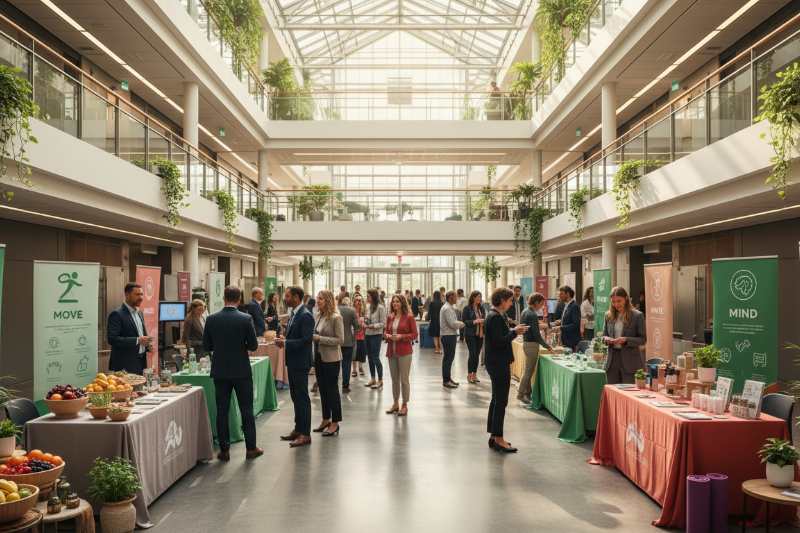
- See a variety of wellness resources available
- Recognize that the organization invests in their health
This visible commitment strengthens workplace culture and boosts morale.
5. Immediate Action Leads to Better Outcomes
Emails often rely on employees taking initiative later — which doesn’t always happen. Wellness events, on the other hand, create opportunities for immediate action.
Examples of real-time impact:
- Scheduling follow-up appointments after screenings
- Signing up for wellness programs on the spot
- Connecting directly with providers or benefits partners
By reducing barriers and offering instant access to resources, wellness events increase the likelihood of follow-through.
Final Thoughts
While email remains a useful communication tool, it works best as a supplement — not a replacement — for meaningful engagement. Employee wellness events provide immersive experiences, social connection, and immediate opportunities for action that emails alone can’t replicate. When organizations combine digital communication with in-person wellness programming, they create a well-rounded approach that supports both awareness and real behavior change.
Ready to create a wellness event your employees will actually enjoy? Thoughtful planning makes all the difference — from vendor selection to engagement strategies and post-event follow-up.
👉 Plan Your Corporate Health Fair and start building an event that energizes your team and supports lasting wellness.